DfT Contract to define e-scooter regs
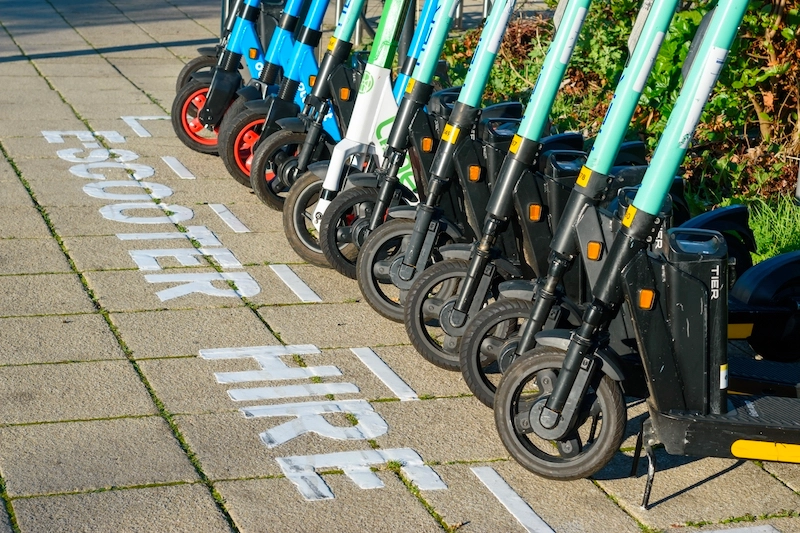
The UK’s TRL (Transport Research Laboratory) has won a Department for Transport (DfT) technical research contract, supported by WMG at the University of Warwick, to establish what the future technical requirements for e-scooters should be.
The partners will work to ensure that e-scooters are as safe as possible for riders and other road users, are inclusive for people with disabilities, and are making a net positive contribution towards reducing carbon emissions.
The DfT has announced plans to create a new Low-Speed Zero Emission Vehicle (LZEV) category, that has the aim of encouraging the growth and adoption of light electric vehicles while maintaining safety standards. E-scooters will be the first vehicles to be included in their own sub-category.
The DfT has asked for evidence to identify the technical requirements for design, construction and maintenance of e-scooters, as well as how to ensure the future e-scooter regulations fully consider the mobility needs of people with disabilities.
It’s hoped that the final recommendations will assist the DfT in developing effective regulations for e-scooters that are sufficiently flexible and proportionate to promote innovation and minimise the regulatory burden on industry.
TRL has in-depth knowledge and experience of developing national and international regulations and standards. They will be working with DfT, WMG and the wider industry to ensure their recommendations help to deliver a regulatory mechanism to encourage safe, sustainable and inclusive e-scooters, and which is mindful of the needs of, and practical challenges faced by, the industry.
E-scooters can represent a genuine modal alternative for many transport users and, if implemented right, can be a valuable part of delivering the UK’s decarbonisation goals.
WMG is supporting TRL – bringing a wealth of experience leading research to make e-scooters safe for riders, other drivers and pedestrians, whilst also ensuring safety and sustainability in e-scooter charging and production.
Typically, 70% of product emissions are embedded within supply chains. By developing sustainability requirements for e-scooters, stakeholders will be motivated to improve product design and manufacturing processes, reducing waste and maximising use of sustainable recyclable materials and components.
UK-based manufacturing of e-scooters is currently largely limited to innovation and R&D. However, to attract manufacturers and service providers to the UK, they need better clarity of future LZEV regulation to justify the significant costs and risks involved in establishing a local capability.
Including sustainability in the proposed technical requirements ensures a level playing field with a common set of rules and will reduce environmental impact across all stages of the LZEV value chain.
The project is estimated to take approximately 10 months. The DfT will require a Transport Bill to provide regulatory powers for new LZEVs. The timing for this bill is currently unknown.
Related Articles

RTA LAW promotes Jack Adair to Associate
RTA Law LLP is delighted to announce the promotion of Jack Adair to Associate Solicitor, recognising his contribution to the firm, legal expertise and commitment to helping vulnerable road users.
Dangerous roadside trees pose hidden Autumn risk to Scotland’s motorcyclists
The arrival of a new storm season brings darker days, stronger winds and an increased risk from dangerous roadside trees. For Scotland’s motorcyclists, a fallen tree or branch can have

Hit and run cycling accidents: Can you claim compensation if the driver cannot be traced?
We’ve been horrified here at Cycle Law Scotland to hear of three serious hit-and-run incidents involving cyclists in the space of just a few days in August.
Is it worth 5 minutes of your time?
A quick phone call allows us to ask you a few questions about what happened to you and determine whether we can help.
This form collects your name and phone number so that we can contact you. Check out our Privacy Policy for more detail on how we store, process and protect your submitted data. If you choose not to consent, please use an alternative contact method shown on our Contact page.