Be Informed
News & Insights
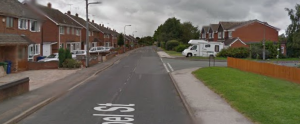
MW v Wilkinson – Driver not liable in child pedestrian accident
A tragic road traffic accident involving a 5-year-old boy resulted in serious injuries, but the court found the driver was not liable. This case highlights when drivers may – and
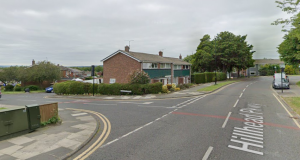
Atkinson v Kennedy – Driver not liable in child pedestrian case
Atkinson v Kennedy demonstrates that even in serious child pedestrian accidents, liability is not automatic. The Court held the collision was unavoidable despite the driver exceeding the speed limit.
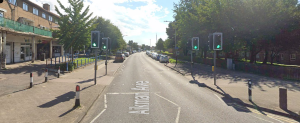
Gadsby v Hayes | Child pedestrian toucan crossing case
A High Court case examining whether a driver should reduce speed to 10 mph at a toucan crossing. Despite serious injuries to a child pedestrian, the court found no negligence.

Probert v Moore [2012] EWHC 2324 (QB): Driver 100% liable for collision with child pedestrian on rural road
The High Court in Probert v Moore [2012] found a driver 100% liable after a 13-year-old pedestrian suffered a brain injury on a rural road, reinforcing the duty to anticipate

Toropdar v D [2009] EWHC 2997 (TCC)
A driver was found 2/3 liable after colliding with a child who ran into the road. This case highlights how courts assess child pedestrian accident liability, contributory negligence, and the
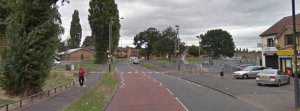
Ellis v Kelly (2018) EWHC 2031 (QB)
A court held a driver fully liable after an 8-year-old boy suffered life-changing brain injuries at a zebra crossing, confirming that children’s momentary misjudgements do not amount to contributory negligence.

Gough v Thorne [1966] 1 WLR 1387
A Court of Appeal decision held a driver 100% liable after a 13-year-old girl was struck while crossing the road after being waved across by a lorry driver, confirming that
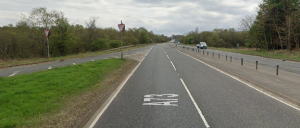
Stephen Lyons v QBE UK Limited | Shared liability in Road Traffic Collision
In Stephen Lyons v QBE UK Limited, the court found both drivers materially contributed to a collision, yet awarded full compensation to the innocent passenger. The case emphasises shared liability,

Morris v Pirie 1985 SLT 365
A lorry driver rounds a left-hand bend at speed to discover a broken down vehicle on the road. He swerves to avoid it and collides with an oncoming lorry.

Harrington v Milk Marketing Board 1985 SLT 342
Case Law: two lorries owned by the Milk Marketing Board had stopped on the A702, Edinburgh to Biggar road, due to one lorry's failing battery. One of the lorries had
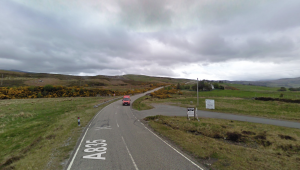
Joliffe v Hay 1991 S.L.T. 151
Case Law: Driver overtakes another vehicle turning right into a junction and collision occurs. Overtaking driver 70% to blame. Turning vehicle driver 30% to blame.

Paramasivan v Wicks (2013)
A 13 yr old child runs onto a road from between two parked cars and is hit by a passing motorist.
What our clients say.
“So grateful to the random person on facebook that directed us to these guys after our son’s motorcycle accident. The fact that they understand bikes and riding perfectly was an excellent starting point. Communication has been excellent from the very first call. Their manner is relaxed and friendly. Most importantly they cared about my boys recovery first and foremost and have a great team to support his rehabilitation. Their professionalism and kindness made the claim process very easy. With their help we achieved an excellent result.”
Joan Maclachlan
“Motorcycle Law Scotland are great to deal with and they obtained an excellent result for me. Brenda Mitchell and her team are first class – very pragmatic, resourceful and experienced. I have no hesitation in recommending them.”
Ian Davis
“I would highly recommend Cycle Law Scotland. My case was handled by Thomas Mitchell who provided advice and updates from the beginning to end. Cycle Law Scotland have access to numerous professionals who can provide expert opinions.”
June 26
Damien Scott
Is it worth 5 minutes of your time?
A quick phone call allows us to ask you a few questions about what happened to you and determine whether we can help.
This form collects your name and phone number so that we can contact you. Check out our Privacy Policy for more detail on how we store, process and protect your submitted data. If you choose not to consent, please use an alternative contact method shown on our Contact page.